
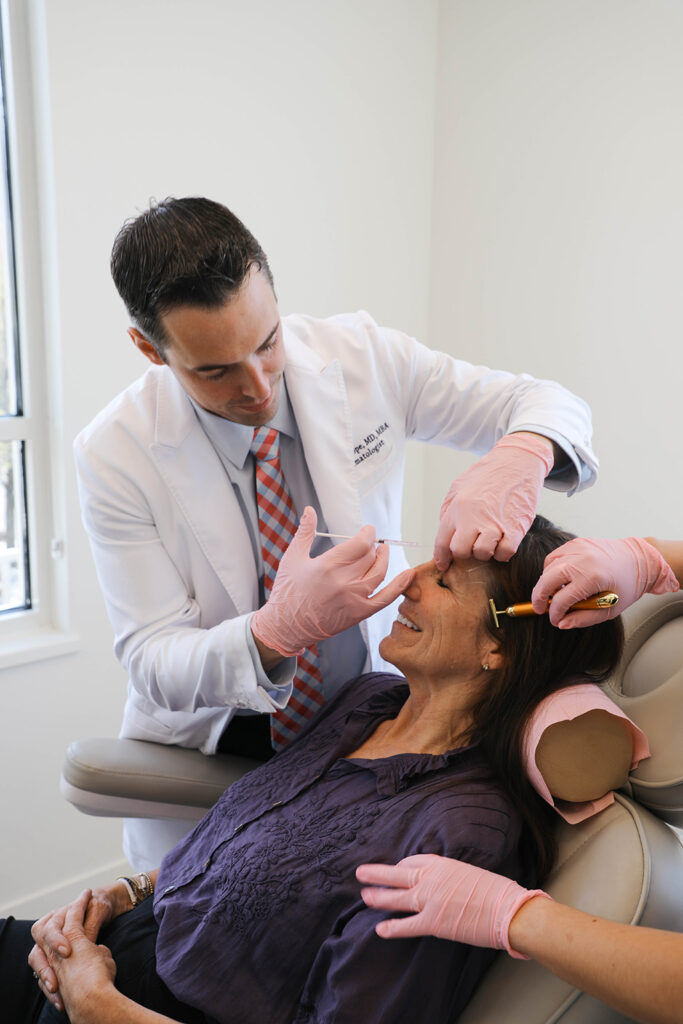

If you have unwanted pigment like brown or red spots, laser treatments are one of the most effective ways to get rid of them. At Cope Cosmetic Dermatology, we offer a variety of state-of-the-art laser platforms.
What Is Intense Pulsed Light?
IPL, or intense pulsed light, is a laser light technology used to reduce pigmented spots on the skin. Sometimes called the photofacial, it works by administering light energy that is attracted to specific pigments in the skin like melanocytes or hemoglobin. There, the laser energy generates heat which damages the treated cells. These damaged cells are then gradually removed from the body.
Book now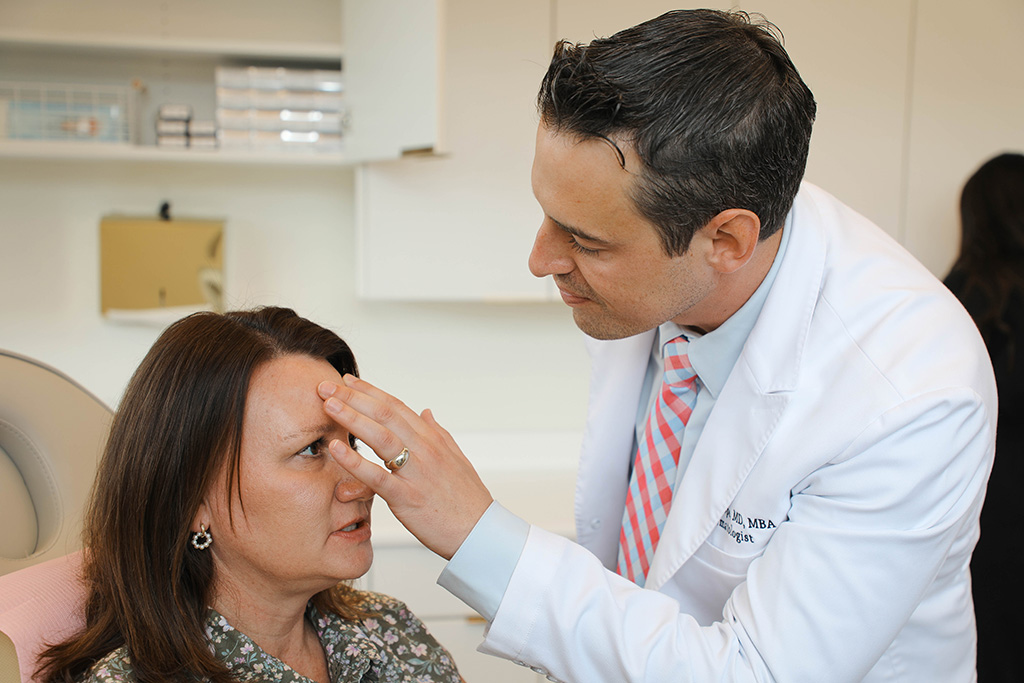
What Are the Benefits of IPL?
IPL is a very effective way to get rid of unwanted pigment versus other skincare treatments like peels or surgical removal. IPL can be used for the following concerns:
- Brown spots (moles, birthmarks, or freckles)
- Red spots and visible veins
- Sun damage
- Melasma
- Rosacea
- Unwanted hair
- Acne scarring
IPL is also an effective anti-aging treatment and can help achieve brighter, more youthful skin.
What Can I Expect From IPL Treatment?
To begin, you’ll meet with our laser technicians to determine your best options for treatment. Your skin will then be cleansed and made ready for treatment. You’ll be given protective eye shields and the laser handpiece will be applied to the skin. For most patients, IPL does not hurt – rather, it feels like a light rubber band “snap.” Once complete, your skin will be soothed and made ready for the rest of your day.
IPL Maintenance
After laser treatments, it’s extremely important to keep your skin protected with SPF 30+ daily. Your skin will be extra sensitive to sun damage and can be susceptible to hyperpigmentation. It’s normal for the skin to look sunburned with redness, sensitivity, and light swelling. Make sure to use a light, unscented cleanser and moisturizer, avoiding any active ingredients or hot temperatures for the time being. Also avoid exfoliating, scratching, or picking your skin while it recovers – as well as exercising or strenuous activity.
It’s normal for any brown spots or areas of pigmentation to appear darker as your skin recovers – this happens because the pigment begins to rise to the surface of the skin before falling off. It will crust off within a few weeks and leave healthy, clear skin underneath.
Most patients require a package of treatments for best results and our team will ensure you know when to come back for your next appointment.
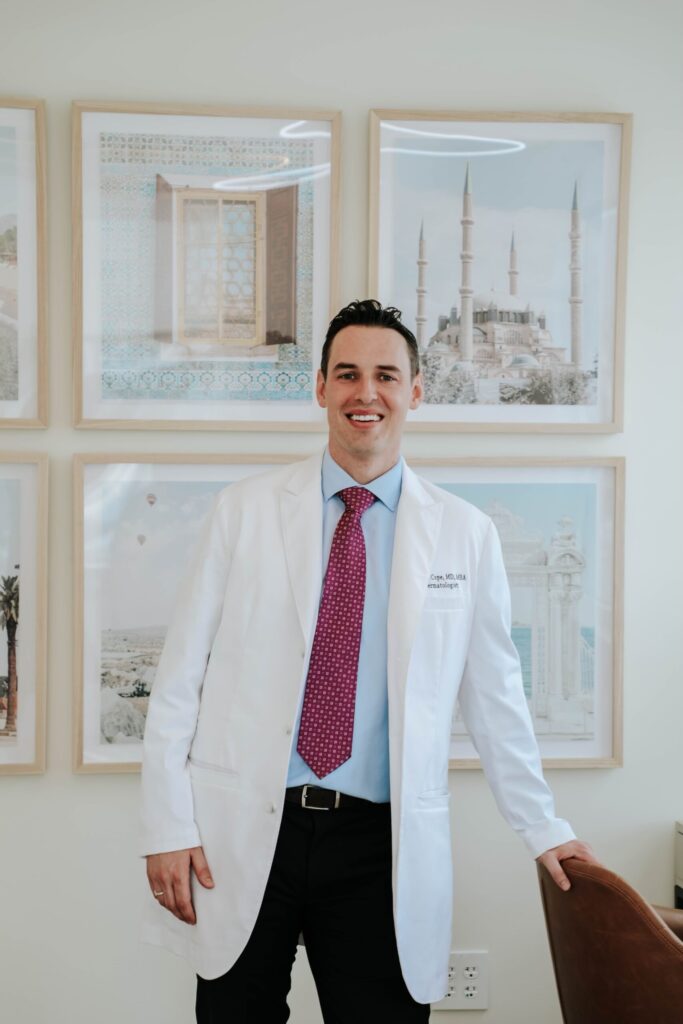
Utah’s Board‑Certified Cosmetic Dermatologist
Dr. Austin Cope is a board-certified dermatologist with fellowship training in cosmetic dermatology. He has helped thousands of patients achieve the best skin of their lives by combining medical expertise with artistic precision. He delivers fast, natural-looking results using only what truly works. Known for his efficiency, gentle technique, and perfect 5-star ratings, Dr. Cope helps you feel like yourself—just more confident.
Learn More Download Dr. Cope's Free BookConditions
Rosacea
What Is Rosacea?
Rosacea is a skin condition that causes visible redness and blood vessels in certain areas of the face. It’s different from normal facial redness (after exercising, for example) and can even be severe enough to include breakouts and rash. Rosacea typically occurs in flareups which can be triggered by a variety of sources.
Rosacea is very common and affects mainly lighter-skinned women between the ages of 30 and 50 (especially those with a family history). However, people of all ages, genders, skin types, and ethnicities can get rosacea.
Download Dr. Cope's Free Book
Types of Rosacea
Subtype 1
Subtype 1 produces symptoms like flushing and redness in the center of the face accompanied by inflammation, sensitivity, and visible blood vessels.
Subtype 2
Subtype 2 produces acne-like breakouts with redness, oiliness, sensitivity, and visible blood vessels. It can also cause raised skin patches called plaques.
Subtype 3
Subtype 3 is rare and can produce bumpy, thick skin on areas like the nose, chin, forehead, cheeks, and ears. It can also cause visible blood vessels, visible pores, and oily skin.
Subtype 4
Subtype 4 affects the eyes and can cause dryness, wateriness, and itchiness around the eyes. It can even impact vision and cause cysts.
Sun Damage
What Is Sun Damage?
Sun damage can go by a few different names including photoaging or photodamage. It usually appears as brown spots or areas of dullness, texture, or dryness in areas where the sun reaches the skin. Over time, sun damage can cause premature aging or even skin cancer, meaning it’s important to prevent and treat it with the help of a dermatologist.
Download Dr. Cope's Free BookTypes of Sun Damage
Pigmentation
One of the telltale signs of sun damage is pigmentation. It typically manifests as brown spots like moles, freckles, age spots, or areas of brownness.
Actinic Keratoses
Actinic keratoses are whitish, textured growths that can become cancerous. They’re very common and develop from years of sun exposure.
Sunburn
Sunburn is one of the most noticeable and immediate types of sun damage. It can range from mild pinkness to severe, blistering, and painful redness.
SCHEDULE AN APPOINTMENT
Ready to feel more like yourself again? Dr. Cope combines expert care with a relaxed, personal approach to help you age gracefully and regain your confidence. Let’s create a personalized plan just for you. Reach out through our online form or give us a call to learn more about our medical spa services.
385-337-2376 Schedule