
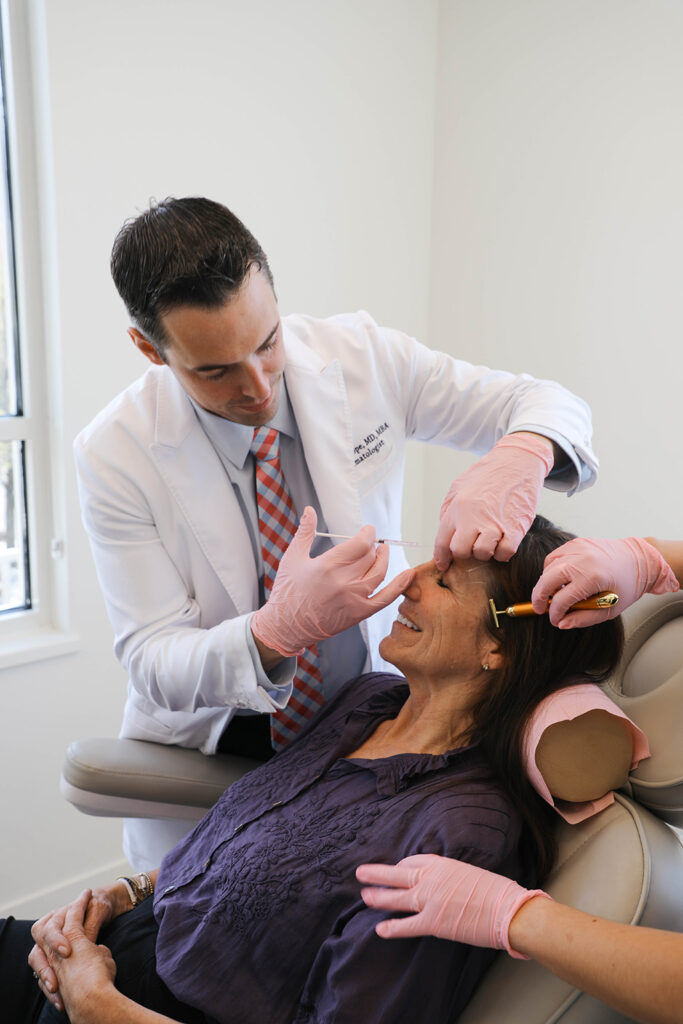

Regenerative medicine can be one of the most effective ways to rejuvenate skin. At Cope Cosmetic Dermatology, we offer the most advanced skincare treatments and technologies available.
What Is Platelet-Rich Plasma?
Your blood contains a few different components, one of which is the plasma. Platelet-rich plasma, or PRP, is a treatment that uses your own blood sample to generate a natural, protein-rich serum from your blood’s plasma. This serum is rich in growth factors that can stimulate your body’s collagen and cell turnover processes to create healthier, younger-looking skin.
Book now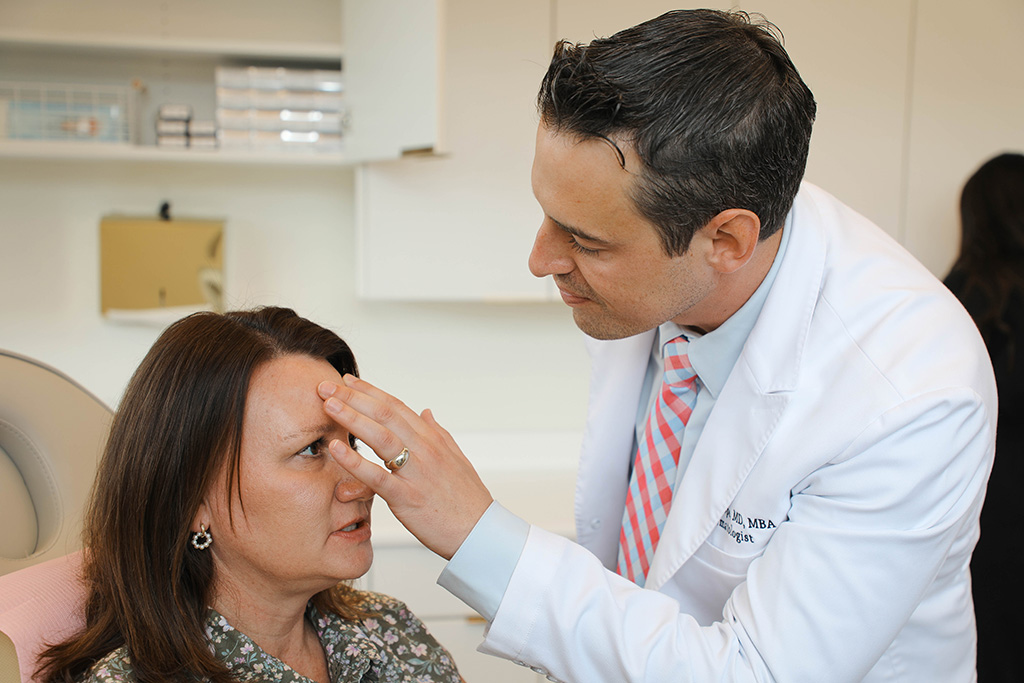
What Are the Benefits of PRP?
PRP has a wide variety of uses and benefits. It can be an effective option for the following skin concerns:
- Dryness
- Sagging and thin skin
- Fine lines and wrinkles
- Texture and uneven tone
- Dullness and pigmentation
PRP works best when combined with microneedling. Microneedling helps open up tiny channels in the skin to allow for better absorption and also helps stimulate the body’s wound-healing response (which can be further boosted by PRP’s regenerative properties). This makes PRP microneedling one of the most sought-after skincare treatments available.
What Can I Expect From PRP Treatment?
You’ll discuss your cosmetic goals for PRP with our team to help determine the right approach and whether PRP is a safe option for you. PRP begins by taking a small sample of your blood. The sample will be placed inside a specialized centrifuge which spins the blood down into its components. The plasma is then microneedled or injected into the skin in your treatment areas. Once complete, your skin will be soothed and made ready for the rest of the day.
PRP Maintenance
Make sure to leave the PRP on your skin for at least 8 hours after treatment. You’ll have some minor redness and sensitivity after your treatment and should avoid exercise or strenuous activities. You should use only a gentle, unscented cleanser and moisturizer for the first few days and avoid any active ingredients. After a few days of treatment, you’ll notice some flaking and texture to your skin, but this will subside as your skin recovers. It’s extremely important to wear SPF 30+ to protect your skin from sun damage as your skin will be especially sensitive to sun damage.
Most patients undergo a package of treatments spaced about one month apart with PRP. It can take several weeks for your skin to begin to build collagen using the PRP and your results will only improve with subsequent treatments. Once you complete your package, you can undergo yearly maintenance treatments to preserve your results and prevent collagen loss.
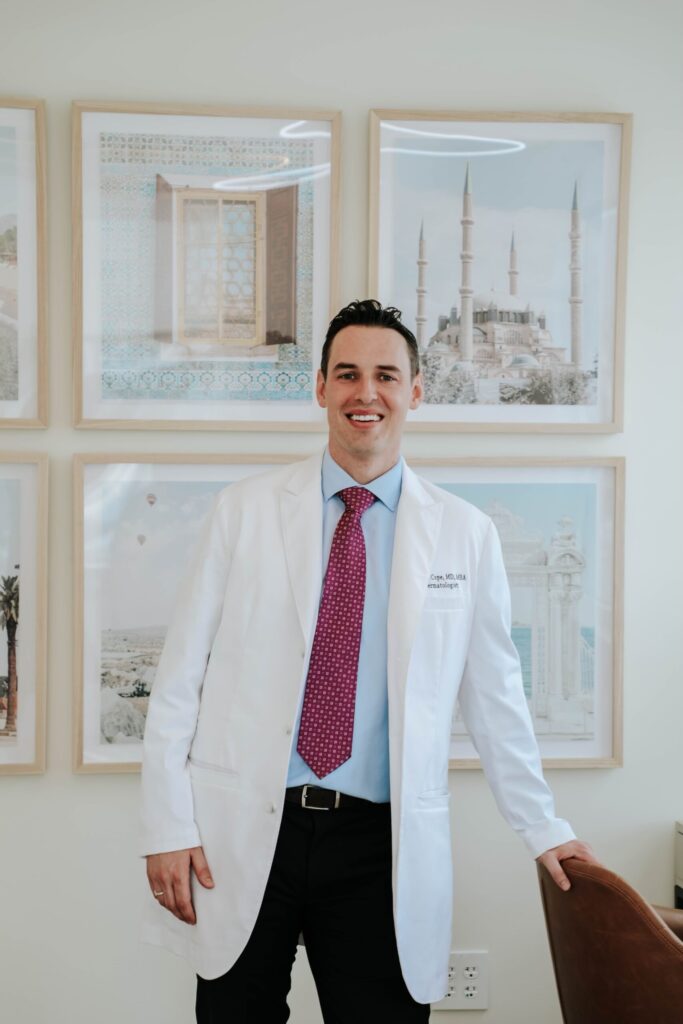
Utah’s Board‑Certified Cosmetic Dermatologist
Dr. Austin Cope is a board-certified dermatologist with fellowship training in cosmetic dermatology. He has helped thousands of patients achieve the best skin of their lives by combining medical expertise with artistic precision. He delivers fast, natural-looking results using only what truly works. Known for his efficiency, gentle technique, and perfect 5-star ratings, Dr. Cope helps you feel like yourself—just more confident.
Learn More Download Dr. Cope's Free BookConditions
Aging & Volume Loss
What is Aging and Volume Loss?
Aging and volume loss are the inevitable product of many different factors. Although we tend to think of aging as manifesting in certain ways, it’s actually intrinsically tied to volume loss. By treating volume loss, you can treat many of the telltale signs of aging.
Signs of Aging and Volume Loss
Nasolabial folds
Nasolabial folds are the lines that run from the corners of the nose to the mouth. Although many people naturally have them, they can deepen with age as the cheeks begin to sag.
Jowls
Jowls are skin that hangs from the jawline, which can become more pronounced as you age. They’re usually the result of skin in the cheeks that loses its support and falls downward.
Hollow cheeks
Full, rounded cheeks are a sign of youth. As you age, however, it’s normal for the fat pads in the cheeks to shift downward, resulting in a hollow look.
Lines & Wrinkles

What Are Lines and Wrinkles?
Lines and wrinkles are the most recognizable form of aging and are what most people think of when the term “aging” comes to mind. Lines and wrinkles are an inevitable part of aging skin but can be treated by reversing the effects or preventing them altogether (prejuvenation). In either case, surgery is not always necessary, and you can achieve excellent results with the help of a board-certified dermatologist.
Types of Lines and Wrinkles
Crow’s feet
Crow’s feet are fine lines that can appear at the corners of the eyes because of facial expressions like squinting or laughing. In many people, they’re one of the first places where fine lines appear.
Frown lines
Frown lines are lines or folds between the brows. They form when you frown or furrow your brow, causing a tired or frustrated appearance even if you don’t feel that way.
Brow lines
Some people simply have more expressive foreheads than others, which can contribute to the formation of creases and lines in the brow.
Smoker’s Lines
Fine lines around the lips can be the result of a lifetime of smoking or drinking through a straw. They’re often caused by repeated puckering of the lips, creating tiny creases around the mouth.
Sleep Lines
Sleep lines are caused by pressing your face into your pillow while sleeping. They tend to be vertical because they aren’t caused by natural expressions, but rather creasing that happens while you sleep.
SCHEDULE AN APPOINTMENT
Ready to feel more like yourself again? Dr. Cope combines expert care with a relaxed, personal approach to help you age gracefully and regain your confidence. Let’s create a personalized plan just for you. Reach out through our online form or give us a call to learn more about our medical spa services.
385-337-2376 Schedule